A rollercoaster of genre-bending styles brought them a new generation of fans, and alienated many in the process.
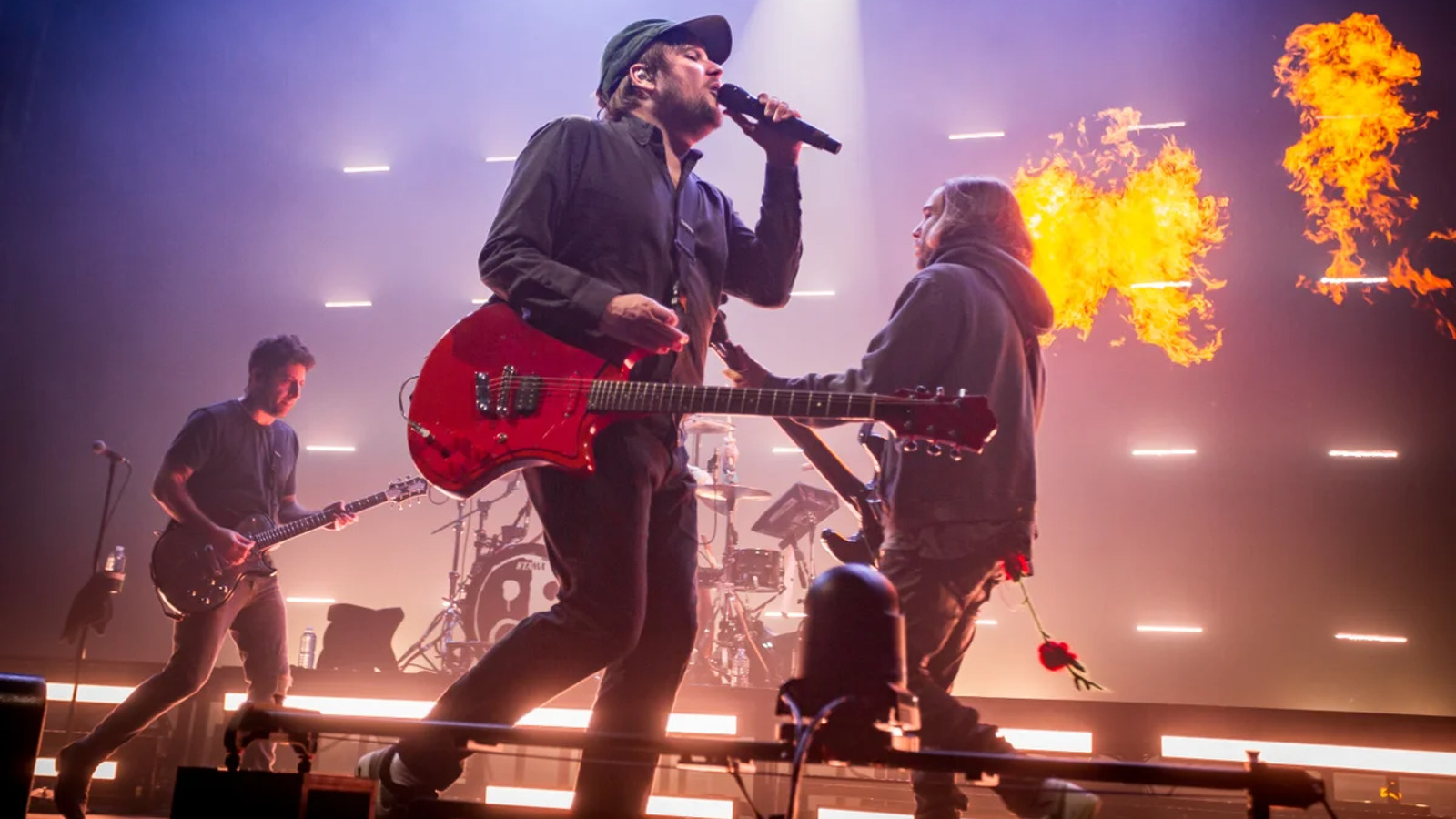
The ’00s were a joyous moment for scene kids, with many artists from alternative movements like pop punk, emo, and post-hardcore earning their time in the mainstream spotlight, and birthing some of the most popular acts that still make headlines today.
On the pop punk and emo train came Fall Out Boy, one of the decade’s biggest bands, becoming pop culture icons and giving bassist Pete Wentz rockstar status as he became one of the most recognizable faces of that era.
After running out of creative juices in 2009 and with a desire to pursue alternative projects, the band entered a 4-year hiatus, after which they returned with the boldly titled “Save Rock and Roll” in 2013 and a brand-new sound.
Fall Out Boy cemented their evolving style with 2015’s “American Beauty/American Psycho,” a commercial hit that gave them some of their biggest songs but profoundly divided fans.
As the record celebrates its 10th anniversary, we look back into the band’s second life to see how fans perceived it and if it fulfilled the promise of saving rock and roll for younger generations.
Pop Punk Icons With Ambition
Emerging from the Chicago hardcore scene, with members previously in bands like Arma Angelus and Racetraitor, Fall Out Boy formed in 2001 out of a deep desire to make a more accessible punk sound and a profound love for New Found Glory.
This inspiration was very noticeable in the band’s 2003 debut, “Take This to Your Grave,” an underground skate punk hit that showed signs of greatness in its energetic riffs and tongue-in-cheek lyricism.
Fall Out Boy evolved their sound into something more unique in the emo realm with their acclaimed sophomore record, “From Under the Cork Tree”, which turned them into household names and made Wentz (and his witty lyrics) a certified pop culture icon.
With a well-defined sound and frontman Patrick Stump growing confident in his versatile vocals, the band was ready to emerge from the constraints of pop punk, taking in more ambitious soundscapes in 2007’s “Infinity on High” and 2008’s “Folie à Deux,” and writing a generation-defining hit in the former’s “This Ain’t a Scene, It’s an Arms Race.”
However, due to a relentless recording and touring schedule, Fall Out Boy were creatively burned out by 2009, leading to a 4-year hiatus that allowed band members to immerse themselves in solo careers and side projects that ranged from metal to soul and electronic music.
They’re Back to Save Rock and Roll
In 2013, Fall Out Boy returned, after internal negotiations that led to guitarist Joe Trohman being promised a bigger share of the songwriting duties, which was handled exclusively by Stump and Wentz before.
The band’s first post-reunion album was 2013’s “Save Rock and Roll”, with its tongue-in-cheek title coming from the emergence of guitar-driven music in the mainstream thanks to the indie pop of bands like fun., as well as any reuniting act being labeled as a “savior” of the genre as album sales declined.
Ironically, though, due to a desire of all band members to not sound like a parody of themselves, Fall Out Boy’s style was massively different, emphasizing pop sensibilities a lot more and toning down their punk roots in favor of electronic elements and R&B influences.
A commercial hit, the record turned the band into a success with newer generations thanks to tunes like “The Phoenix” and “My Songs Know What You Did in the Dark,” but old-school fans were reluctant to embrace this new era.
And while there was still some original Fall Out Boy DNA in the more rock-leaning moments of “Save Rock and Roll,” their next album would go even farther into pop grounds, alienating a large chunk of the audience in the process.
Psychos and Beauties in the Arena
Released in January 2015, “American Beauty/American Psycho” wasn’t the return to roots that old-school fans were hoping for, instead diving deeper into pop sounds and making them more epic and arena-ready, as noted by the lead single, massive 8x-Platinum certified “Centuries”.
The album was overall a commercial success, topping the Billboard charts and earning a Platinum certification, with over 1.5 million units sold worldwide.
Critically, it was positively received, with compliments to its ambitious production and natural progression, as Fall Out Boy truly committed to their new style.
Unsurprisingly, many fans weren’t in agreement with this, as they disapproved of the band’s turn toward “Imagine Dragons”-core, replacing Andy Hurley’s dynamic drumming with soulless programmed beats and burying Trohman’s guitar so deep in the mix that it’s barely audible.
This isn’t to say the album is all bad, as it’s hard to argue with the infectious hooks of “Jet Pack Blues” and “Immortals” or the absolute sense of surf rock fun in “Uma Thurman.”
However, “American Beauty/American Psycho” is best digested as if written by a different band than pre-hiatus Fall Out Boy, as you won’t find any high-energy pop punk songwriting and clever lyricism, but instead some pretty good pop-friendly arena rock.
Did Fall Out Boy Save Rock and Roll?
Fall Out Boy continued their pop era with 2018’s “Mania” but this time embracing electropop elements. This time, though, the critical reception was negative and, although topping the Billboard charts, the record was a commercial disappointment and didn’t produce any hit singles.
The band returned to rock in 2023 with “So Much (for) Stardust”, a sonic sequel to “Folie à Deux” where they expand upon their early signature sound but with a more epic, orchestral tone.
The album was met with positive reviews and, though its sales were modest, it seemed to be the first time when Fall Out Boy struck a balance between pleasing both old-school and newer fans.
Looking back, “American Beauty/American Psycho” wasn’t really the pioneering wave of “new rock” that the band advertised, instead capitalizing on the mainstream’s shift toward pop rock with occasional guitars that acts like Paramore and Bloc Party also chased.
The quality of the songwriting meant that Fall Out Boy were able to modernize themselves for a younger audience but alienated many old-school fans in the process, only making amends once the electropop trend ran its course.
So, did Fall Out Boy save rock and roll? Not really, because it didn’t need saving, as it continues to thrive, even if in a more underground fashion. Beyond that, the pop-soaked mainstream wave that the Chicago band hopped on was little more than a phase that eventually ended.
However, they did maintain the relevant band format, especially for scene kids, due to the success of “American Beauty/American Psycho,” and that proves that perhaps they played a small part in saving rock and roll for the newer alternative generations.